Electronics Packaging Boxes: Rigid vs Corrugated Protection
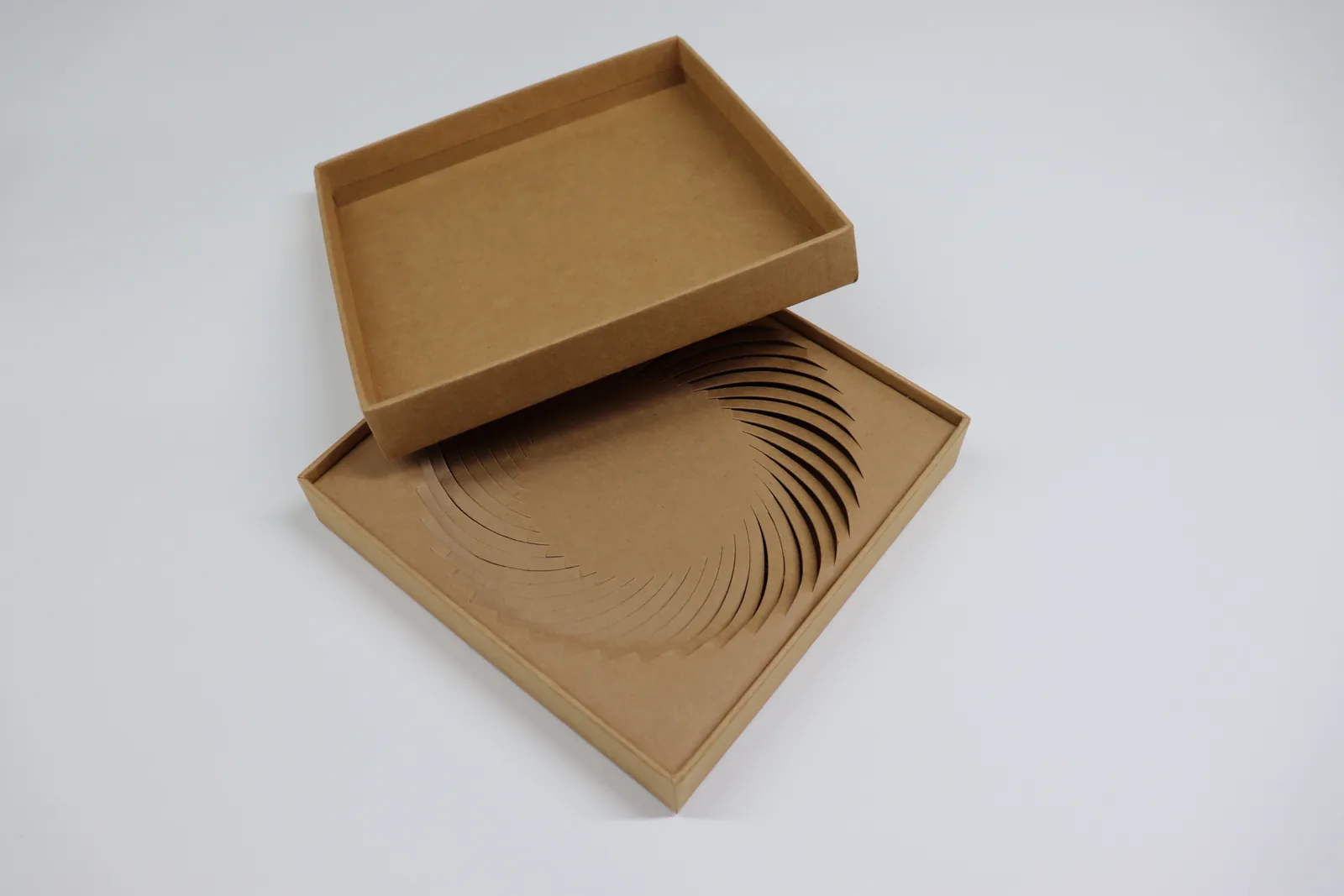
Electronics packaging boxes work best when the outer structure, insert and shipping path are specified as one system. Choose a rigid box when presentation, a pre-formed shape and a fitted premium insert lead the brief. Choose a corrugated mailer when the same pack must take the courier journey, reduce empty space and arrive ready for direct-to-consumer unboxing. Many projects use both: a presentation box around the device or accessory, then a right-sized corrugated outer pack for delivery.
JCL Packaging produces custom rigid boxes and corrugated mailers and shippers in one Dongguan factory. That makes it possible to compare structures around the actual product dimensions instead of forcing every electronics project into one standard box type.
Rigid vs corrugated electronics packaging at a glance
| Planning point | Rigid electronics box | Corrugated electronics mailer |
|---|---|---|
| Main role | Premium presentation and organized unboxing | Courier protection, fulfillment and right-sized shipping |
| Base construction | 1200–2000 gsm greyboard, 1–3 mm thick | E-flute 1.5 mm, B-flute 3 mm, C-flute 4 mm or BC double-wall |
| Print route | CMYK offset plus PMS spot colors on wrapped paper | Offset-laminated CMYK or 1–4 color direct flexo print |
| Insert options | EVA foam, molded pulp, vacuum tray, silk or corrugated | Corrugated dividers, molded pulp, foam or tissue |
| Standard MOQ | 500 pieces per design | 1,000 pieces per design |
| Physical sample | 5–7 days | 3–5 days |
| Production after approval | 12–18 days | 10–15 days |
| Typical use | Device kits, accessories, launch sets and premium gifts | E-commerce orders, subscription kits and wholesale shippers |
These are factory planning baselines from the two product lines, not a universal statement that one material is stronger in every situation. Product weight, box size, insert geometry and the delivery route still decide the final specification.
Choose rigid boxes when presentation leads the brief
A rigid box arrives pre-formed and uses a greyboard core wrapped in printed or specialty paper. The structure feels substantial in hand and gives the insert a stable frame, which suits electronics sets that need a deliberate place for the main product, cable, adapter, documentation and small accessories.
JCL’s rigid-box range includes lid-and-base, book-style magnetic, drawer and fully shaped constructions. The board range is 1200–2000 gsm, with 1–3 mm thickness available. Most of the visual identity sits on the wrap: 157 gsm art paper supports full-color graphics, while specialty, textured or metallic papers create a different surface without changing the core structure.
The insert should be engineered from the real product rather than selected by appearance alone. EVA foam offers a precise cut profile; molded pulp gives a paper-based direction; vacuum-formed trays suit shaped cavities; and corrugated inserts provide a practical paper structure. The aim is simple: keep each component in its intended position without making the customer fight the pack to remove it.
Rigid boxes also offer the broadest finishing range. Foil stamping, spot UV, embossing and soft-touch lamination are available, but the base artwork and structural fit should be approved before decorative finishes are added. The rigid-box paperboard guide explains how board thickness, wrap paper and insert choice affect the complete pack.
Choose corrugated mailers when the box must handle delivery
Corrugated mailers combine a fluted middle layer with flat linerboards. The flute choice changes wall thickness, cushioning, print surface and stacking behavior. JCL produces E-flute at 1.5 mm, B-flute at 3 mm, C-flute at 4 mm and BC double-wall structures.
For a compact, brand-forward electronics pack, offset-laminated E-flute gives a thin wall and photographic CMYK print. B-flute provides a broader balance between cushioning and surface quality. C-flute and BC double-wall move the specification toward heavier shipping and stacking demands. The detailed E-flute, B-flute and C-flute comparison covers those differences without treating thickness as the only measure of protection.
Corrugated structures can also be divided internally. A die-cut paper cradle can hold the main product while separate compartments organize cables or accessories. Molded pulp, foam and tissue are available when the product or presentation calls for them. Because the mailer is engineered to the internal dimensions, it can avoid unnecessary empty volume instead of relying on loose filler around a stock box.
For print, offset lamination places a smooth, fully printed sheet onto the corrugated board before die-cutting. This route supports gradients, small type and brand-critical color more effectively than direct printing on a visibly fluted surface. Direct flexo remains available for simpler one- to four-color work and higher-volume shipper programs.
Use a two-box system when retail and transit jobs differ
A common specification mistake is asking one layer to perform every job. A premium rigid box can organize the product and support the unboxing experience, while a corrugated outer mailer handles the delivery environment. The two structures should be designed together so the outer box fits the presentation pack instead of adding avoidable air around it.
The same logic applies to smaller electronics accessories sold in a folding carton. JCL’s custom printed boxes use 250–400 gsm cardstock and ship glued flat, which can be efficient for lightweight retail products. When that carton must travel through a courier network, it can sit inside a fitted corrugated mailer rather than being expected to act as the shipping box by itself.
This layered approach also keeps artwork decisions clearer. The inner pack can carry detailed product presentation and premium finishing. The outer mailer can prioritize shipping labels, closure, fulfillment handling and efficient dimensions while still carrying the brand.
What the real factory image proves
The factory photograph above shows a kraft rigid box with a precision-cut recyclable paper insert. It is useful evidence because protection is visible in the geometry: the outer walls create the box frame, while the insert defines where the product and accessories sit. It is not a generic stock image or a claim about an unseen machine.
Production begins after the structure and artwork are approved. JCL’s pre-press team prepares the dieline and checks artwork before plating. Heidelberg CD102 and PM74 offset presses handle CMYK and PMS work. Depending on the specification, printed sheets then move through lamination or another finish, automatic die-cutting, forming or gluing, and final inspection. Rigid-box projects can use visual-positioning equipment to align the printed wrap to the board; corrugated projects can use automatic flute lamination, die-cutting and gluing. The equipment and process stages are listed on the factory capabilities page.
Quality control runs from proofing through packing. The stated workflow includes color management, in-line checks and a final AQL inspection with photo reports before shipment. That sequence matters more than a finish sample viewed in isolation, because an electronics pack must repeat the approved structure and print across the full run.
Approve the physical sample as a complete pack
A screen proof can confirm artwork content, but it cannot show the real clearance around a device, the resistance of a closure or how easily accessories lift from the insert. Use the physical pre-production sample to review the complete system.
Check these points with the actual product and accessories:
- The main product and each accessory stay in their intended positions.
- The insert holds securely without making removal awkward.
- Cables, adapters and documentation do not press against the product.
- The box closes without forcing the lid, flap or magnetic edge.
- Important artwork stays away from cut, crease and glue areas.
- The presentation box fits the planned corrugated outer pack.
- The full packed unit uses no more internal space than the product system needs.
- The opening order matches the intended customer experience.
Production starts only after sample sign-off. For confirmed orders, the pre-production sample is free and the buyer covers courier cost. If the launch date is fixed, include it in the first brief so the factory can confirm the applicable production schedule.
Send a brief that lets the factory engineer the protection
A useful electronics-packaging inquiry should include the product dimensions and weight, dimensions for every accessory, quantity per design, preferred box style, required print colors, finish direction, insert preference, destination postal code and required arrival date. Include reference packaging or an existing sample if the structure is not yet decided.
JCL’s standard process is inquiry and quote, dieline and artwork, physical sample, mass production, quality inspection and worldwide delivery. Express, air, LCL/FCL sea freight and optional DDP door-to-door shipping are available. A complete brief receives a detailed quote within 24 hours.
The best electronics packaging box is therefore not automatically the thickest or most decorative option. It is the structure that controls movement, fits the delivery route, presents every component clearly and can be repeated reliably in production. Send your electronics product dimensions and packaging brief to compare a rigid presentation box, a corrugated mailer or a coordinated two-box system.