Kraft Packaging vs Full-Color Paper Bags: Which Should Your Brand Choose?
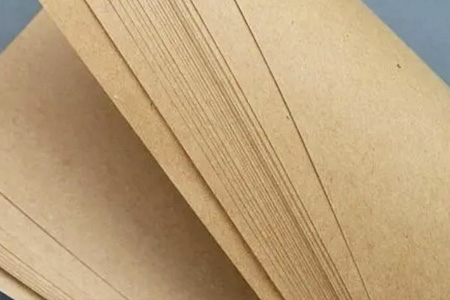
Kraft packaging is the right paper-bag direction when the natural paper look is part of the brand message, while a full-color printed bag is stronger when photography, precise color fields or a polished laminated surface must lead the design. The decision is not simply “eco versus premium.” Both routes can use custom printing, reinforced construction and premium handles. The real choice is what the bag must communicate before a customer reads the logo.
At JCL Packaging, both options begin with the same practical specification: finished size, loaded product weight, quantity, artwork, handle type and delivery plan. Our custom paper bags use kraft, 157–250 gsm art paper, black card or specialty paper, with fully custom dimensions and a standard MOQ of 1,000 pieces per design.
The short answer: choose the surface before the finish
Choose kraft when you want the paper itself to remain visible. Natural or recycled kraft supports a direct, restrained look and works especially well when the design can be carried by a logo, a limited color system or a compact foil detail.
Choose coated art paper when the printed image must control the entire bag. Art paper supports CMYK offset printing and PMS spot colors, then accepts matte, gloss or soft-touch lamination as part of the finished surface. It is the more flexible starting point for full-panel graphics, tightly managed brand colors and a smooth retail presentation.
Neither material removes the need for structural engineering. A beautiful bag still needs the correct paper weight, turn-top reinforcement, bottom card and handle fixing for the loaded product.
Kraft packaging vs full-color paper bags: factory specification table
The table below uses the actual paper-bag options, production ranges and equipment available in our Dongguan factory.
| Decision point | Kraft paper bag | Full-color art-paper bag |
|---|---|---|
| Material starting point | Natural or recycled kraft | 157–250 gsm coated art paper |
| Visual direction | Paper texture remains part of the design | Printed graphics become the main surface |
| Printing available | CMYK offset and PMS spot colors | CMYK offset and PMS spot colors, including inside printing |
| Finishing options | Foil, spot UV and embossing can be specified | Matte, gloss or soft-touch lamination, foil, spot UV and embossing |
| Handle options | Twisted paper, flat paper, cotton rope, grosgrain ribbon or die-cut | Twisted paper, flat paper, cotton rope, grosgrain ribbon or die-cut |
| Structural controls | Reinforced turn top, bottom card and finished-weight load test | Reinforced turn top, bottom card and finished-weight load test |
| MOQ | 1,000 pieces per design | 1,000 pieces per design |
| Sampling | 3–5 days | 3–5 days |
| Production | 10–15 days after sample approval | 10–15 days after sample approval |
| Certification route | FSC-certified kraft available on request | FSC-certified art paper available on request |
This is a selection table, not a price table. Size, paper, print coverage, finish, handle and quantity belong in the same quote. Removing lamination or changing to kraft does not by itself prove that the final bag is the best-value option for the product.
When kraft packaging carries the brand better
Kraft works best when restraint is intentional. If the brand already uses natural tones, simple typography or material-led photography, leaving the paper visible makes the bag feel consistent with the product rather than under-designed.
It is also a practical route for brands that want paper-based components to remain prominent. A kraft bag can pair with twisted or flat paper handles, and recycled kraft is one of the material options stocked for eco-focused lines. If audit paperwork matters, FSC-certified kraft is available on request; it should be specified in the inquiry so the certification requirement is confirmed before production.
Do not assume that “natural” means the bag can ignore print planning. CMYK and PMS spot-color printing are available, but the artwork should be proofed on the actual stock. The physical sample is where you judge whether the paper tone, logo color and chosen finish work together.
For handle selection, see our paper bag handle comparison. A twisted paper handle supports an all-paper direction, while cotton rope or grosgrain ribbon changes both the carrying feel and the material mix.
When full-color printing earns the extra surface work
A full-color art-paper bag is the stronger choice when the bag must reproduce a campaign image, a controlled color field or a graphic system that extends across the front, side panels and turn top. Coated art paper gives the print a consistent base, and PMS spot colors are available when a brand-critical color needs its own ink specification.
Lamination then becomes a design and protection decision. Matte creates a lower-reflection surface, gloss increases shine, and soft-touch adds a distinct tactile layer. Foil, spot UV and embossing can be added as focused accents rather than asking the base print to do every job. If the surface decision is still open, our matte vs gloss lamination guide explains how each finish changes the presentation.
Full-color does not require every available finish. A clear hierarchy is usually easier to approve: first establish the printed artwork, then decide whether lamination is needed, then add one focal effect such as foil, spot UV or embossing.
The construction underneath both looks is the same quality decision
The most important bag details are often hidden. Our paper-bag specifications include a reinforced turn top and bottom-card construction, and every design is load-tested with the finished product weight. Those controls matter whether the exterior is plain kraft or a fully printed laminated panel.
Bag dimensions are fully custom, with common sizes ranging from 20 × 25 × 10 cm to 40 × 40 × 15 cm. The finished size should follow the product, not a visual mockup. A bag that is too large wastes material and lets the contents move; a bag that is too small puts unnecessary force on the wall and handle fixing.
Handle construction must also match the load. Twisted and flat paper, cotton rope, grosgrain ribbon and die-cut handles are all available, but they are not interchangeable decoration. Reinforced punched-and-knotted fixing is used for rope and ribbon handles, while the folded turn top secures paper-handle ends between layers.
What happens on the factory floor
The material choice enters one connected production sequence. Artwork is checked by the pre-press team, plates are prepared through the CTP computer-to-plate system, and printing runs on Heidelberg CD102 or PM74 offset presses. When lamination is specified, the printed sheet moves through the automatic film-laminating machine before converting and bag assembly.
Finishing details such as hot foil stamping, spot UV or embossing are planned around the artwork rather than added as an afterthought. The bag is then formed with its reinforcement and selected handles, checked for consistency and load-tested at the finished product weight. You can review the press, finishing and material list on our factory capabilities page.
This process detail is why a physical sample matters. The same logo can read differently on kraft, matte-laminated art paper or a textured specialty stock. A 3–5 day sample gives the team a real object to approve before a 10–15 day production run begins.
A five-question decision checklist
Before requesting prices, answer these questions:
- Should the paper remain visibly natural, or should printed artwork cover the surface? Choose kraft for the first direction and coated art paper for the second.
- Does the brand require CMYK imagery, a PMS spot color or both? Include the color requirement with the artwork.
- What will the finished bag carry? Send the product dimensions and loaded weight so paper, reinforcement and handles can be specified together.
- Is certification part of the purchasing requirement? State whether FSC-certified kraft or art paper documentation is needed before quoting.
- Which surface effect is essential? Select lamination, foil, spot UV or embossing for a clear purpose rather than stacking finishes without a hierarchy.
Send one brief, receive two comparable options
A useful quote request includes bag size, product weight, quantity, artwork, preferred handle and delivery country. If the material choice is still open, ask for a kraft version and a full-color art-paper version using the same dimensions and handle. That keeps the comparison focused on the surface and finish instead of changing every variable at once.
The standard MOQ is 1,000 pieces per design. Sampling takes 3–5 days, production takes 10–15 days after sample approval, and the detailed quote is returned within 24 hours. Send your paper-bag specification and we will map the artwork, material, finish and handle into two production-ready options.